
FIND YOUR LIGHT WITH CIVIC EDUCATION
For more than 35 years, education has been an integral part of Spokane Civic Theatre’s identity. Through classes, workshops, full productions, and outreach performances, Civic Education provides opportunities for students of all ages and skill levels to explore, learn, and grow. The Elements of Theatre provide an imaginative springboard into confidence, community, and creative thinking for students of every age and experience level. As we grow into the future, Civic Education seeks to be a leader in our region, providing support to our schools and community partners in providing access to theatre education for all, regardless of experience or means.
We believe theatre is for everyone, and that everyone can find a place and purpose in our program. Theatre allows us to bring our community together, regardless of gender, orientation, race, faith, or political beliefs. We make every effort to safely accommodate students of all abilities, but if you have particular questions as to whether a class is right for you or your student, please contact us directly at education@spokanecivictheatre.com. We will happy to work with you. Each and every student will be welcomed, encouraged, and appreciated as an individual.

Our Teaching Artists
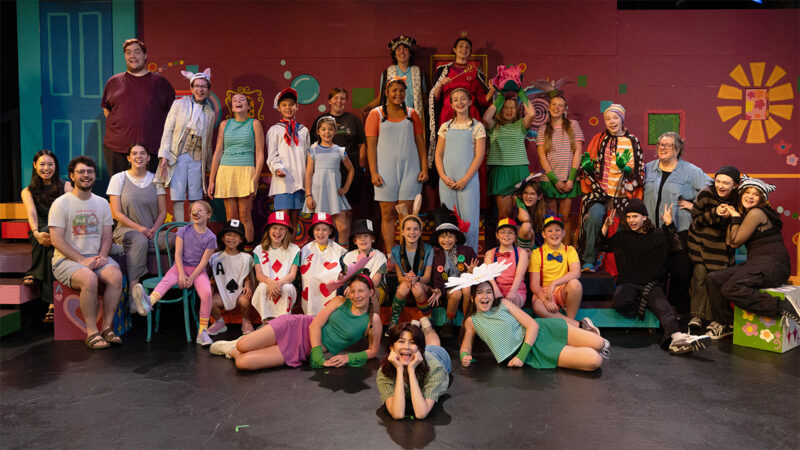
Civic Education Teaching Artists are educators, performers, and collaborators, each bringing their unique gifts to share a love of theatre and to create a positive, encouraging space for artists of all ages. All Teaching Artists are screened and background checked, and receive specific training in consent-forward teaching, creating accountable spaces, and artist-centered expectations. As educators, we believe that every student should be welcomed, encouraged, and appreciated as an individual.
Click here to learn more about our current teaching artists.
The Elements of Theatre is a resource adopted by the Civic Education Committee in 2025 to identify specific skill and experience categories that build toward a well-rounded theatre education. Some classes focus on a single skill group, while others synthesize multiple elements for a holistic experience incorporating complementary disciplines.
- Artistic Leadership: Students plan for and lead their cast and crew through the process of production, from the perspective of various positions including directing, choreographing and stage managing.
- Auditioning: Students develop effective audition skills.
- Character Development: The student makes specific internal and external choices informed by the text.
- Dance for the Theatre: Students develop and demonstrate dance genres and techniques for musical theatre.
- Dramaturgy: Students research relevant material in regards to a production.
- Ensemble and Collaboration: Students work together efficiently as an ensemble.
- Movement: Students expand their physical capabilities and presence on stage.
- Playwriting: Students explore various approaches to the art of playwriting.
- Shakespeare: Students experience the language and culture of Shakespearean text.
- Singing for the Theatre: Students develop and demonstrate vocal techniques and styles for musical theatre.
- Speech for the Theatre: Students develop and demonstrate skills needed for quality vocal expression.
- Technical Theatre: Students develop skills in the following technical theatre art forms: costumes, make-up and hair, properties, sound, lighting; and set design, painting, and construction.
- Text Analysis: Students utilize various tools to develop an understanding of the play based on the text.
- Theatre Etiquette: Students conduct themselves with appropriate professional behavior as both audience members and performers.